
Revolutionizing Chemistry Through Artificial Intelligence
Discover how AI transforms molecular research, accelerates chemical compound discovery, and revolutionizes drug development through advanced computational chemistry and intelligent reaction modeling.
Explore AI ChemistryKey Capabilities of AI in Chemistry

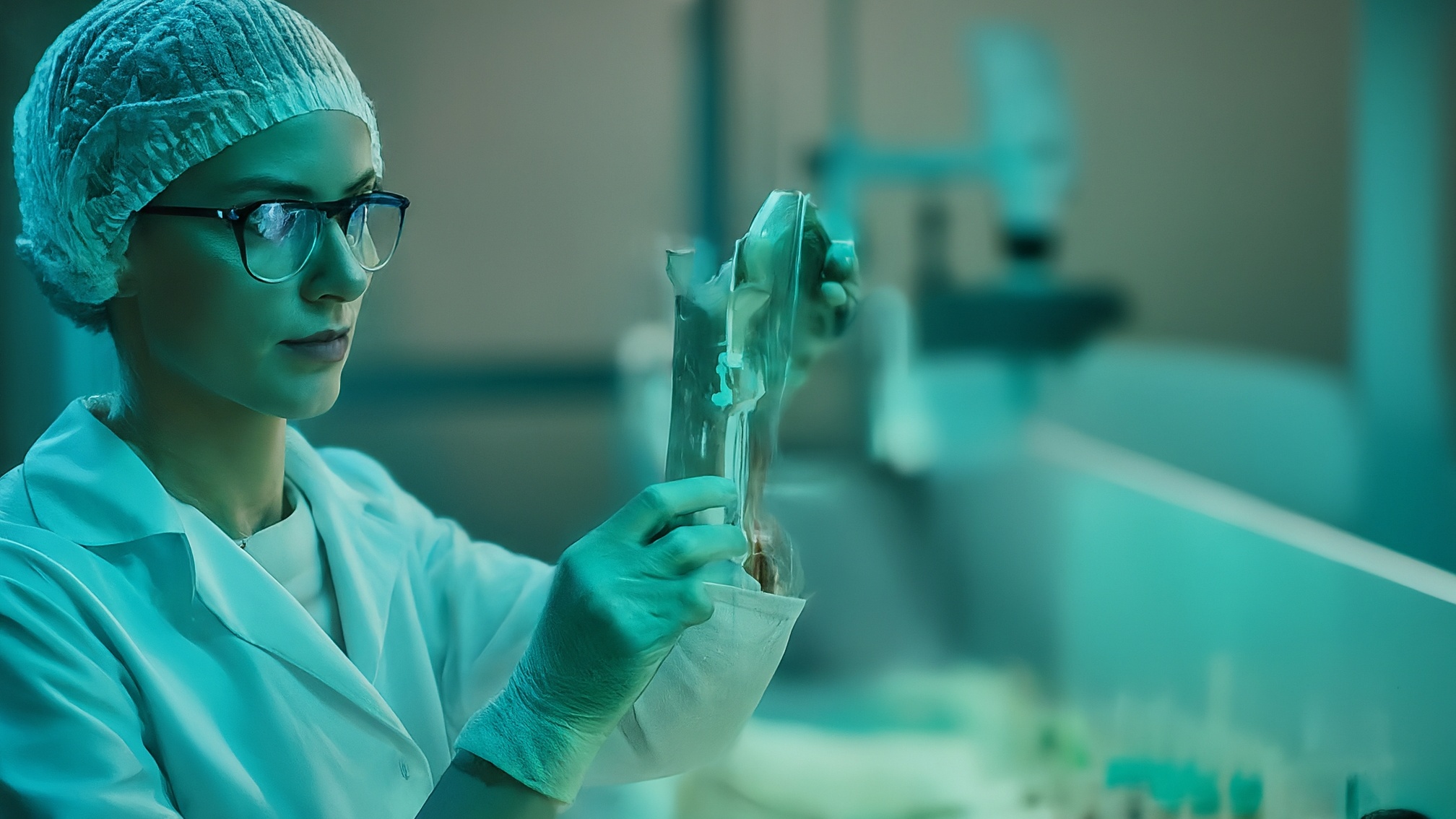
Molecular Structure Prediction
AI algorithms analyze molecular structures and predict properties with unprecedented accuracy, enabling researchers to understand complex chemical behaviors before synthesis.
Accelerated Drug Discovery
Machine learning models identify promising drug candidates by analyzing vast chemical libraries, reducing discovery time from years to months while improving success rates.
Reaction Pathway Analysis
Advanced neural networks predict chemical reaction outcomes, identify optimal synthesis pathways, and suggest reaction conditions for maximum yield and efficiency.
How AI Transforms Chemical Research
Data Collection and Analysis
AI systems gather and process vast amounts of chemical data from scientific literature, experimental databases, and molecular structures. Machine learning algorithms identify patterns and relationships that would be impossible for humans to detect manually.
Predictive Modeling
Deep learning models generate predictions about molecular properties, reaction outcomes, and compound behaviors. These models learn from historical data and continuously improve their accuracy through training on new experimental results.
Optimization and Design
AI algorithms optimize molecular structures for specific properties, design new compounds with desired characteristics, and suggest modifications to improve performance. This process accelerates the design-make-test cycle significantly.
Validation and Refinement
Predicted compounds undergo computational validation, and AI systems refine their models based on feedback. The most promising candidates are identified for experimental validation, creating a continuous improvement loop.
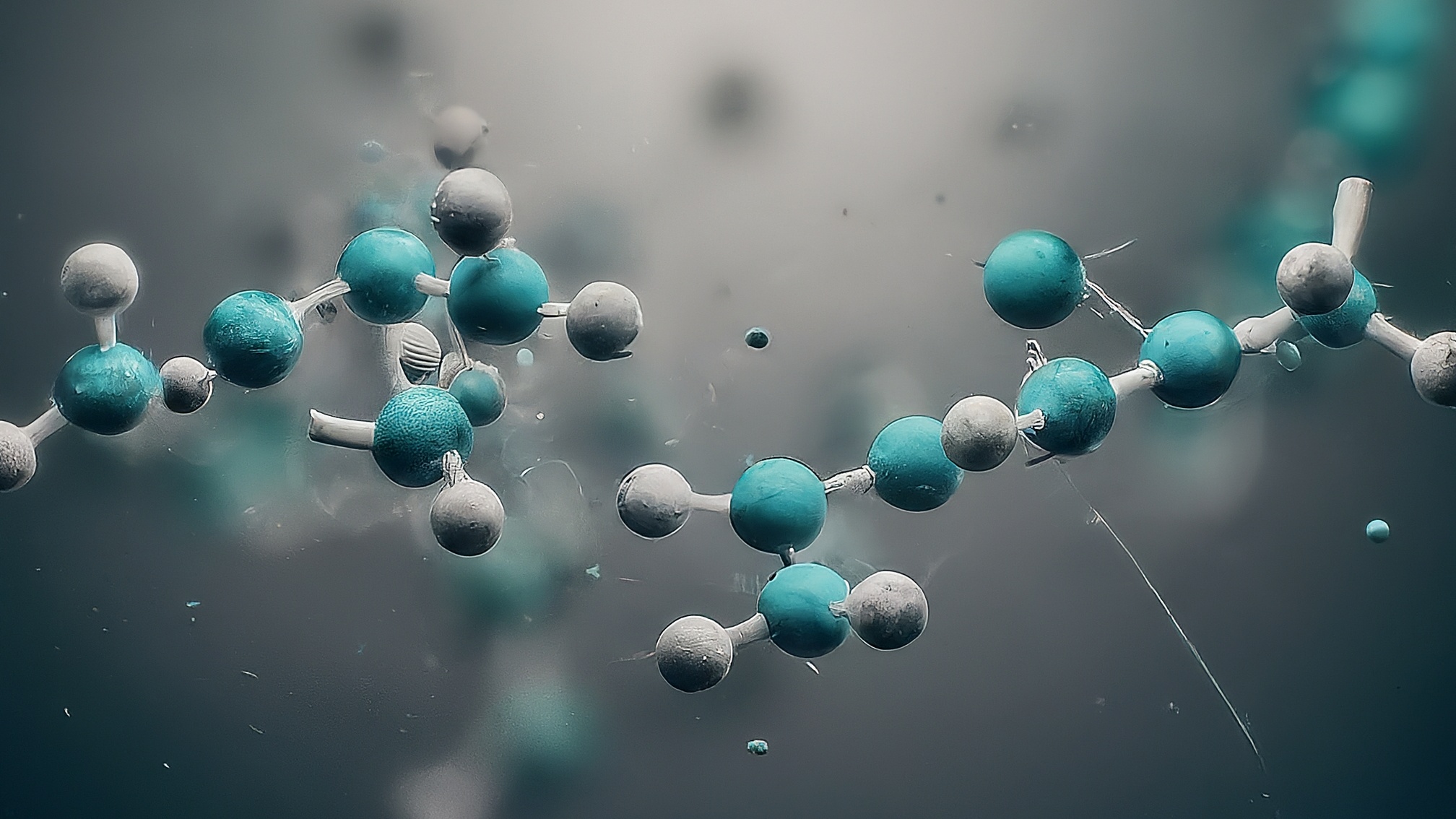
Visualizing Molecular Structures




Applications in Modern Chemistry
Artificial intelligence is transforming multiple areas of chemical research, from pharmaceutical development to materials science. These applications demonstrate the versatility and power of AI-driven approaches in understanding and manipulating molecular systems.

Pharmaceutical Development
AI accelerates the identification of drug candidates by analyzing molecular interactions, predicting bioavailability, and optimizing pharmacokinetic properties. Machine learning models can screen millions of compounds virtually, identifying the most promising candidates for further development.

Materials Science
In materials science, AI helps design novel materials with specific properties by predicting structure-property relationships. Researchers use machine learning to discover new polymers, catalysts, and nanomaterials optimized for particular applications, from energy storage to environmental remediation.
Get in Touch
Contact Information
Address:
2369 St Joseph Blvd
Ottawa, ON K1C 2E3
Canada
Phone: +1 4743109921
For general inquiries about artificial intelligence in molecular research and chemical compound discovery, please reach out through our contact page. This website provides informational content about AI applications in chemistry and does not offer services or products.